Are Lowering Springs Bad for Your Struts? The Honest Answer
August 18, 2026

Are Lowering Springs Bad for Your Struts?
Quick Answer
Not automatically, but they do work your struts harder. Lowering springs seat your factory dampers lower in their travel with a spring they weren't valved for, which means a modest drop on healthy struts is usually fine, while a big drop or tired struts means accelerated wear. Past roughly a 1.5 to 2 inch drop, the right move is pairing springs with shorter-body sport dampers built for lowered cars, or going straight to coilovers.
Lowering springs are the gateway drug of suspension: affordable, transformative for stance, and installed by the thousands every weekend. The strut question is the one everyone asks after ordering and before installing, so here's the real mechanics of what those shorter springs do to your factory dampers, and how to lower your car without buying struts twice.
Why Lowering Springs Wear Struts: The Actual Mechanism
Your factory strut was engineered around one spring: its length, its rate, and the ride height it creates. A lowering spring changes all three at once, and the strut pays for it in two ways.
Less travel where you need it. A shorter spring parks the damper piston lower in its stroke. That leaves less compression travel before the strut bottoms out over bumps, and on rebound the shorter, stiffer spring can let the damper top out at full extension. Both extremes hammer internals that were designed to live in the middle of their stroke.
Valving mismatch. Stock dampers are tuned to control the factory spring rate. Stiffer lowering springs overpower that tuning, so the strut works harder on every cycle to control a spring it was never calibrated for. This is exactly why sport dampers built for lowered cars run shorter bodies, roughly 20 mm shorter in the well-known examples, restoring proper preload and travel for drops up to about 2 inches.
The takeaway: the spring itself isn't the villain. The mismatch is. Match the drop to the damper and the whole system lives a normal life.
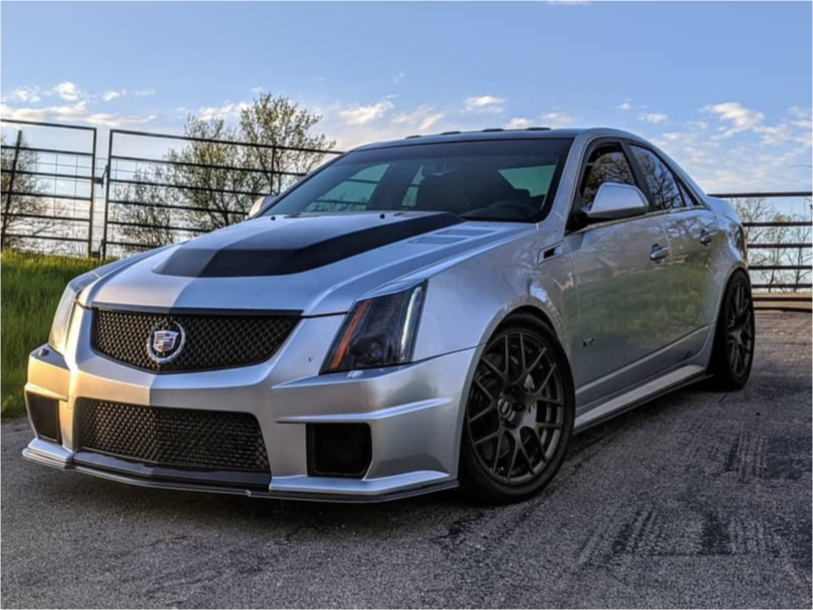
A 2010 Cadillac CTS-V on Eibach lowering springs and TSW Nurburgrings.
The Pros of Lowering Springs
- Better looks. A couple inches of drop closes the fender gap and transforms almost any car's stance.
- Lower center of gravity. The car stays flatter in turns. The performance gain is real, if not massive, and you'll feel it on your favorite on-ramp.
- Cost effective. Springs run hundreds to thousands less than a coilover setup, which makes them the best stance-per-dollar purchase in suspension.
- Simple hardware. Fewer parts and adjustments than coilovers means less to set up and less to go wrong, as long as installation is done right (a spring compressor is not optional).
The Cons of Lowering Springs
- Firmer ride. Shorter, stiffer springs with less travel translate to a rougher ride than stock. Expected, but worth saying out loud.
- Extra wear on stock components. As covered above, factory struts work outside their design window, and on some cars related parts like CV axles feel the geometry change too.
- No adjustability. The drop you buy is the drop you live with. Coilovers let you dial height and, on many models, damping.
- Not the lowest option. Springs get you the look, but aggressive static drops belong to coilovers.

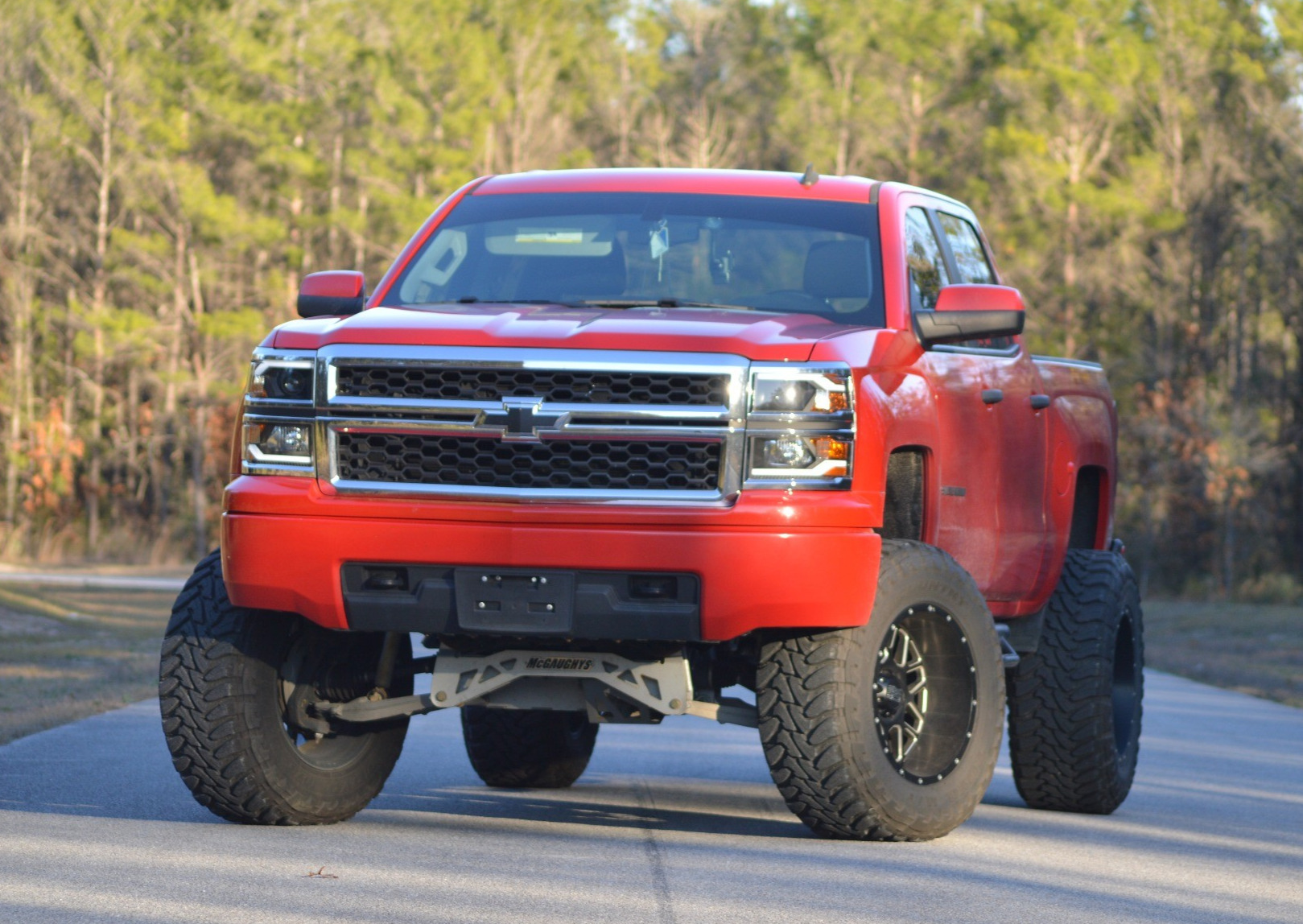
A 2013 Mazdaspeed3 on Eibach lowering springs and Enkei TM7s.
The combination that actually kills struts is a big drop on already-tired dampers. If your car has serious miles on the original struts, adding lowering springs asks worn parts to do a harder job than the one they're already struggling with. Budget for sport dampers at the same time and you'll do the labor once, get a better ride than springs-on-stock ever delivers, and never think about this page again.
Still deciding between the two paths? Our coilovers vs lowering springs guide breaks down the cost, adjustability, and ride quality tradeoffs in full.
Lower It Right the First Time
Tell us your car and how low you want to go. We'll quote springs, matched dampers, or full coilovers, plus the wheels and tires to finish the look, with financing as low as 0% APR.
Find Your SuspensionLowering Springs & Struts FAQ
Are lowering springs bad for your struts?
Not automatically. A modest drop on healthy factory struts is usually fine, but lowering springs do seat the damper lower in its travel and pair it with a stiffer spring it wasn't valved for, which accelerates wear. The bigger the drop and the older the struts, the faster that wear happens.
Do I need new shocks or struts with lowering springs?
For drops beyond roughly 1.5 to 2 inches, or on struts with a lot of miles, yes: shorter-body sport dampers designed for lowered vehicles restore proper travel and preload and are the correct pairing. For a mild drop on newer factory struts, many drivers run springs alone without issue.
Why do lowering springs wear out stock struts faster?
Two reasons: a shorter spring leaves the damper less compression travel before bottoming out and can let it top out on rebound, and the stiffer spring rate overpowers valving that was tuned to the factory spring. Both force the strut to work outside the range it was engineered for on every bump.
How much do lowering springs drop a car?
Most lowering springs drop a car between 1 and 2 inches, depending on the kit and application. That range delivers the closed fender gap and lower center of gravity most people want, while staying within what quality sport dampers are designed to handle.
Are lowering springs or coilovers better?
Springs win on price and simplicity, coilovers win on adjustability and maximum drop. If you want a set-and-forget stance improvement, springs deliver it for hundreds to thousands less. If you want to fine-tune ride height or go aggressively low, coilovers are worth the spend.
Do lowering springs make the ride rougher?
Somewhat, yes. Shorter, stiffer springs with reduced travel transmit more of the road than the factory setup, so expect a firmer ride. Pairing springs with dampers designed for lowered applications keeps the firmness controlled instead of crashy.
Shop Lowering Springs & Suspension
Use our Suspension Finder to see springs, dampers, and coilovers for your exact car, and finish the stance with wheels and tires in one mounted, balanced package with free shipping.
Keep learning
Suspension mechanics verified August 2026 against damper manufacturer documentation. Setups pictured are real customer cars with the products named in each caption. Not sure what your car needs? Call us free at (800) 931-8071.